What to Wear to an Indian Wedding as a Guest: A Calm Guide
Dress codes, colours and comfort, for every event of the celebration.
By The Lookout — Watches, Style, Travel, Weddings & Wealth Editors · 5 min read · October 2026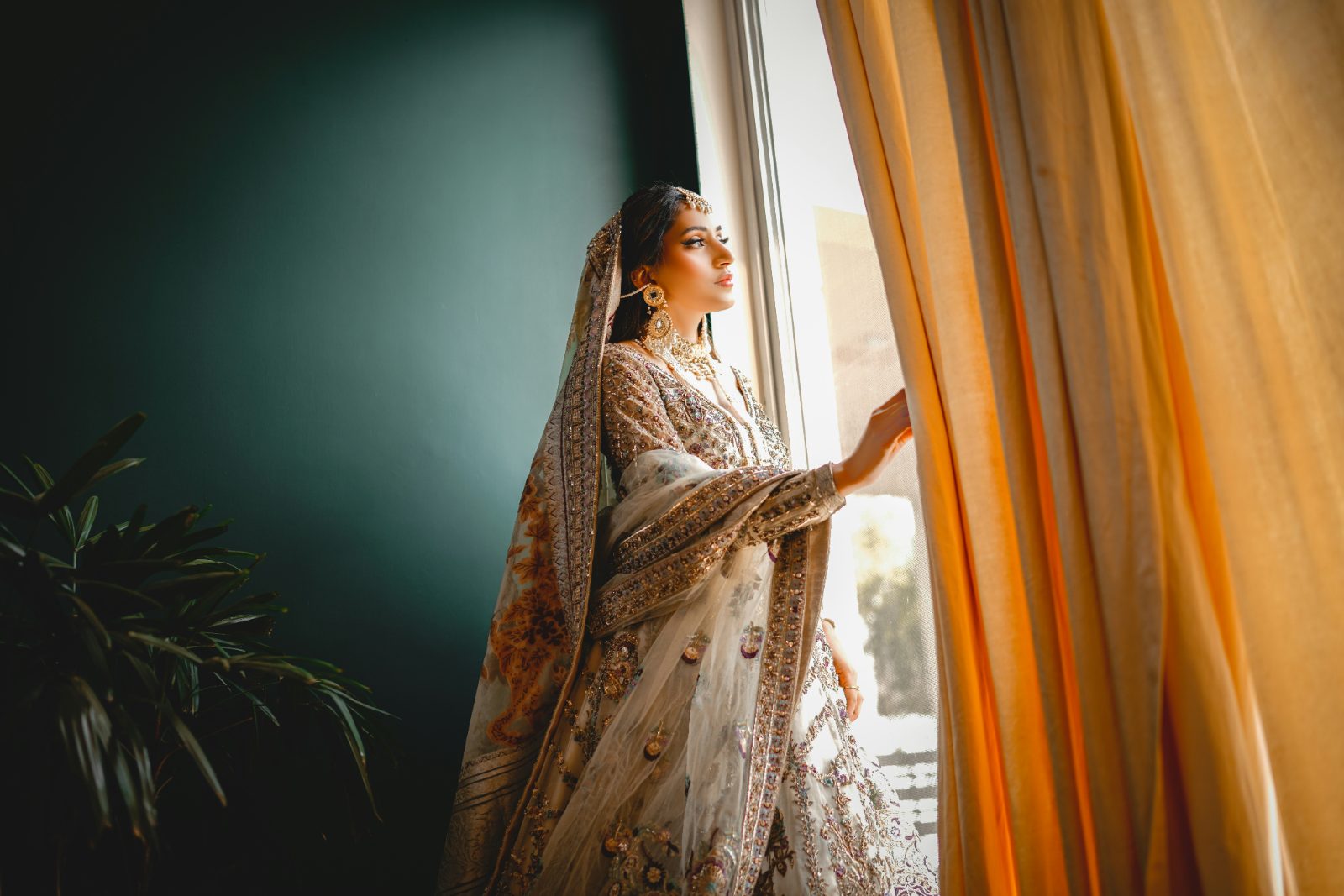
naeem ad / unsplash
An Indian wedding is rarely one event. It can be four or five, spread over several days, each with its own mood and colours. That is wonderful to attend, and a little daunting to dress for. This guide will help you arrive looking right and feeling at ease.
Start with the invitation
Read the invitation closely, and look at the wedding’s website or message if there is one. Many couples now state a dress code or colour palette for each event. If nothing is stated, ask the hosts or a close relative. Customs differ between families, communities and regions, so a quick question is better than a guess.
Event by event
Mehendi is usually relaxed and cheerful, so light, bright or pastel outfits you can sit in comfortably work well. Haldi often takes place in the morning and can be messy, so wear something you do not mind staining, and traditionally in yellow or soft, light shades. Sangeet is the party: festive, lively and ready for dancing, so choose clothes you can move in. The wedding ceremony is the most formal, and a rich, traditional outfit is usual. The reception is typically an evening occasion, and sparkle or deeper colours suit it well.
Dress to celebrate the couple, not to compete with them.— The Lookout
Colours to think about
Traditions differ, but a few habits are widely respected. Many guests avoid wearing white, ivory or anything close to the bride’s colour, since those may be associated with the couple or with other occasions. Black is considered inauspicious in some communities, so check if you are unsure. Rich jewel tones, warm golds, pastels and festive prints are generally safe choices.
For women
Sarees, lehengas, anarkalis and salwar suits all suit these occasions. Choose fabrics that suit the weather: lighter cottons and silks for the day or for heat, heavier fabrics for cooler evenings. Keep your jewellery in proportion to the event, and let the outfit be the star. A shawl or dupatta is useful in air-conditioned halls and at night.
For men
A kurta with a jacket, a sherwani or a bandhgala suit are all traditional and well suited. For a more relaxed event, a good kurta with trousers works. Make sure the fit is right, since a well-fitted outfit looks better than an expensive loose one, and consider breathable fabrics if the weather is warm.
Footwear, and the small practical things
You may be asked to remove your shoes at a temple or a gurdwara, or in some homes, so choose shoes that are easy to slip on and off. You may also be asked to cover your head, so carry a scarf or dupatta. Keep your outfit comfortable enough to sit, stand and dance in. Carry a small bag, and avoid anything heavy or hard to manage in a crowd.
Packing for a destination wedding
Check the weather and the venue, and pack one outfit per event, plus a spare. Roll or steam rather than iron when you arrive, and carry safety pins, a small sewing kit and comfortable shoes for the dance floor. If you need an outfit pressed or altered in a hurry, ask the hotel, since most can help.
Our advice
When in doubt, ask the hosts, choose comfort over drama, and dress a little more traditionally than you think you need to. A kind, respectful guest is always well dressed.
Customs vary widely by family, community and region. Please check with your hosts for their own preferences. This article is general guidance. Details checked October 2026.