How to Build a Wedding Mood Board Your Planner Can Use
Collect widely, edit hard, and turn a hundred saved images into one clear idea.
By The Lookout Editors · 4 min read · October 2026
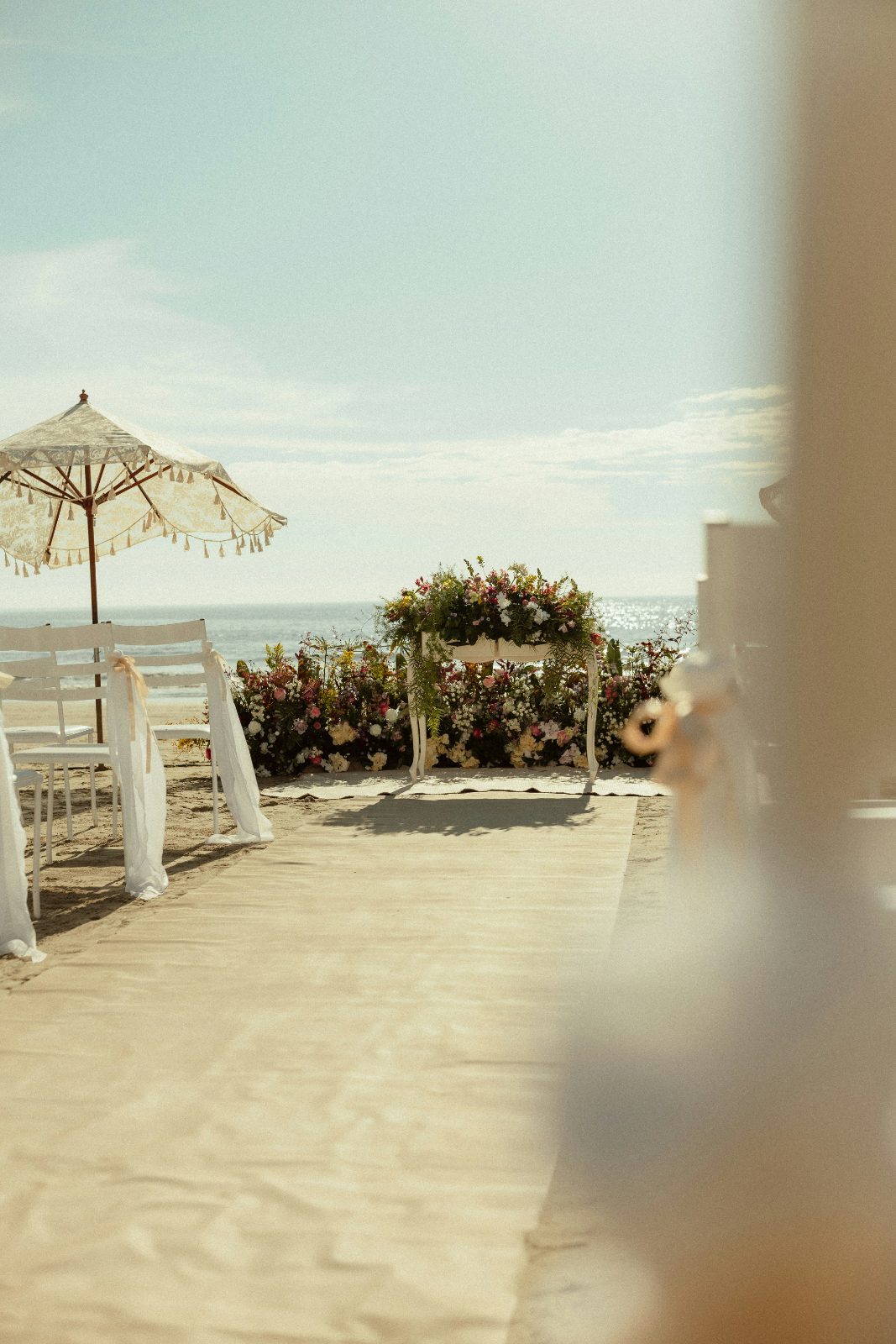
HACA Wedding Film / unsplash
Most couples begin planning by saving images: a table setting here, a lakeside ceremony there, a bouquet that stopped them scrolling. The trouble is that a hundred beautiful pictures do not tell a planner what you want. A good mood board does. This guide shows you how to build one.
1. Collect widely
Start by saving everything you like, without judging it. Use whatever is easiest: a private collection of saved posts on Instagram, a board on Pinterest, or simply a folder in your phone. Look beyond weddings. Interiors, fashion, gardens, food and travel photographs are all good sources.
2. Look for the pattern
After a week or two, step back. What keeps appearing? It might be soft candlelight, long tables, dark greens, white flowers, or handwoven textiles. Circle the repeats and ignore the one-offs. The pattern is your style, and it is usually simpler than you expect.
A mood board is not a collection. It is a decision.— The Lookout
3. Choose a palette and a few textures
Limit yourself to three to five colours, and pick a few materials to repeat, such as linen, brass, silk or stone. A tight palette makes everything easier: flowers, fabrics, stationery and lighting all start to agree with each other.
4. Add a “not this” list
Say what you do not want. A planner can save you hours if they know you dislike neon lighting, heavy favours or anything overly themed. A short list of nos is as useful as the yeses.
5. Edit down to twenty
Cut your collection to about twenty images, grouped by theme: setting, flowers, table, attire and mood. This is the board you share. Add a line or two of your own words to each group, because the planner needs your reasoning as well as your pictures.
6. Check it against reality
Match the board to your venue, your season and your budget. A garden look does not work indoors in the rain, and some flowers are only available at certain times of year. Ask your planner what can be done well, and let them adjust the board where they must.
Our advice
Keep the board alive, not fixed. Update it as decisions are made, and treat it as a shared reference between you, your partner and your planner. When it is clear, the rest of the planning gets calmer.
Details checked October 2026.