Collecting Art on a Beginner’s Budget: A Calm Guide
Buy what you love, learn as you go, and check the paperwork. How to begin without overspending.
By The Lookout — Watches, Style, Travel, Weddings & Wealth Editors · 5 min read · October 2026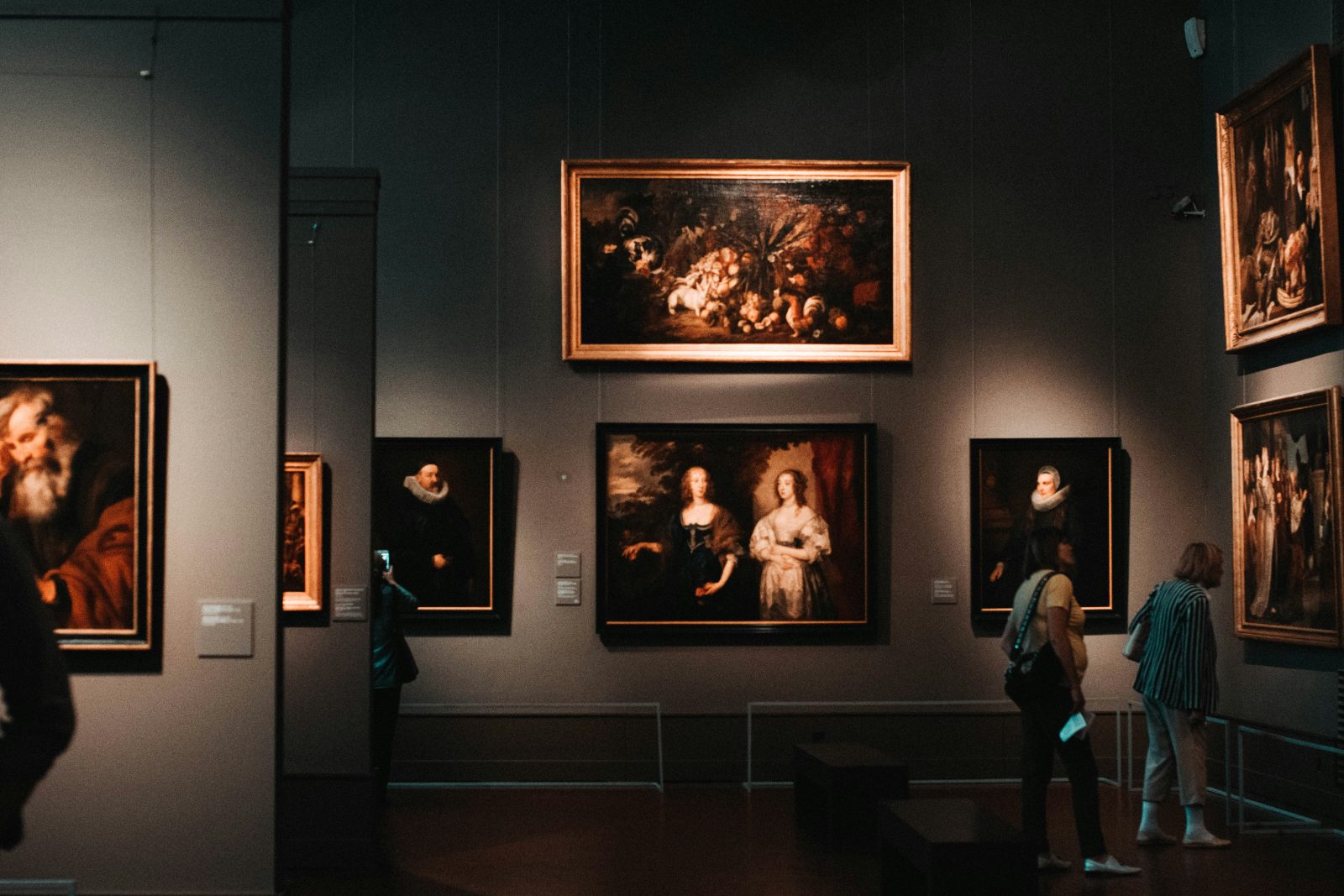
artur matosyan / unsplash
Collecting art is one of the oldest ways to fill a home with meaning, and you do not need a large budget to begin. You need patience, curiosity and a few simple habits. This guide will help you start with confidence.
Start with what you love
The best first rule is the simplest: buy work you want to live with. Visit galleries, exhibitions and open studios. Look for a while, notice what you keep coming back to, and let your taste develop before you spend anything. A piece you love will give you pleasure every day, whatever happens to its price.
Originals, editions and posters
These terms are often confused. An original is a one-of-a-kind work made by the artist. A limited edition print is made in a fixed number of copies, usually numbered and signed, such as 12/50. A poster or open print is reproduced without a limit and is not collectable in the same way. For a first purchase, limited edition prints and works by emerging artists are often a gentler way in than an original by a well-known name.
Buy the work you cannot stop looking at.— The Lookout
Where to buy
Galleries, art fairs and artists’ own open studios are good places to start, because you can see the work in person and ask questions. Reputable online galleries and platforms can also work well, provided they give full details about the artist, the medium and the size, and have a clear return policy. Be careful with unknown sellers who rush you or will only talk through private messages.
Check the paperwork
Before you pay, make sure you receive an invoice that names the artist, the title, the year, the medium, the size and, for prints, the edition number. Ask for a certificate of authenticity where one is offered, and for any information about the work’s history, known as provenance. If a seller cannot or will not give you these, treat that as a reason to walk away.
Plan for the extras
The price of the artwork is rarely the whole cost. Allow for framing, shipping, hanging and insurance where it applies. Ask a good framer about archival materials and glass that protects against light, since sunlight and damp can fade or damage works over time. Setting a budget that includes these extras keeps the whole thing enjoyable.
Be careful with the word “investment
Art prices can rise, stay flat or fall, and they are hard to predict. Treat any promise of guaranteed returns with caution. Collect for the pleasure of living with the work, and if value grows, consider that a bonus and not the plan.
Our advice
Start small, look often and learn what moves you. Buy from sellers who are open about what they sell, keep the paperwork, and give each piece the right frame and a good spot on the wall. A collection grows best one considered choice at a time.
This article is for general information and inspiration. It is not financial advice. Prices and market conditions change, so please speak to a qualified adviser about any larger purchase. Details checked October 2026.