A Design Lover’s Weekend in Jaipur
Palaces, crafts and colour: two days in India’s Pink City, planned around design.
By The Lookout Editors · 6 min read · October 2026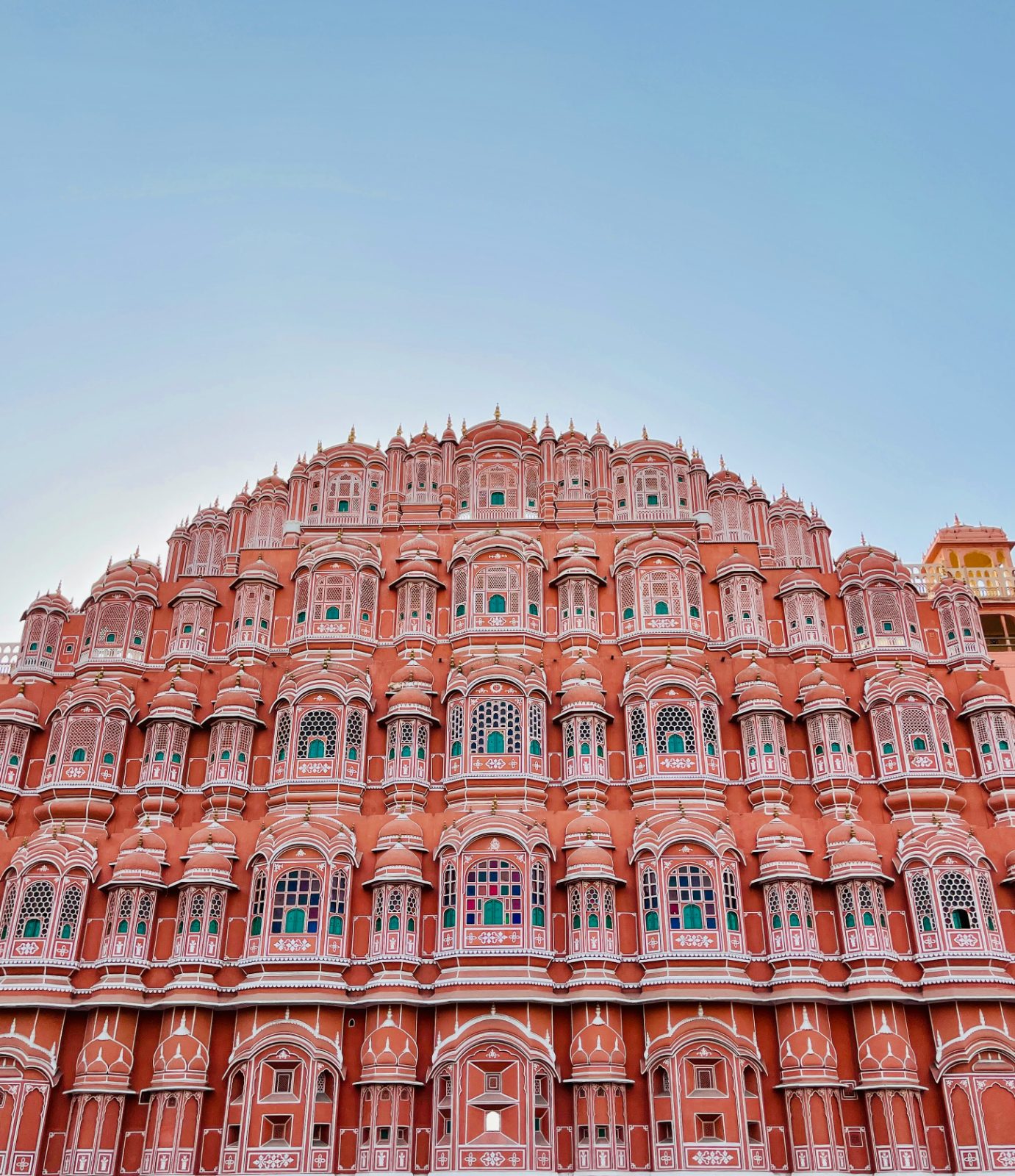
Photo: Nikunj Mundra / Unsplash
Jaipur is one of the few cities where the architecture, the crafts and the colours all tell the same story. Founded in the early 18th century and laid out on a planned grid, it earned its nickname, the Pink City, from the terracotta-toned buildings of its old walled centre. For a design lover, two days is enough to see the highlights and still leave time to wander.
When to go
The most comfortable months are generally October to March, when days are warm and evenings are cool. Summers are very hot, so if you travel then, plan your sightseeing for early morning and late afternoon. Check the weather and festival dates before you book, since busy festival weeks fill hotels quickly.
Day one: palaces and precision
Start at Amber Fort, on a hillside just outside the city. Go early, before the crowds and the heat, and take your time in its courtyards and mirrored halls. The way the fort follows the slope of the hill is as much a lesson in design as the decoration inside.
Amber Fort
Return to the old city for the City Palace, which blends Rajput and Mughal styles and is still partly a royal residence. Close by, Jantar Mantar is an 18th-century observatory of large stone instruments built to measure time and track the stars. It is a favourite with architects and photographers, and it is recognised as a UNESCO World Heritage Site.
jantar Mantar
Finish the day at the Hawa Mahal, the “Palace of Winds”. Its honeycomb of small windows was built in 1799 so that women of the royal household could watch street life without being seen. The façade looks best in soft morning light, so you may prefer to see it first thing on day two.
In Jaipur, the city itself is the best design exhibition.— The Lookout
Day two: craft, colour and modern design
Spend the morning in the bazaars of the old city. Johari Bazaar is known for jewellery and gemstones, and Bapu Bazaar for textiles, footwear and handicrafts. Jaipur is also famous for hand block printing, a craft practised in villages around the city. Look for printed cotton, and ask makers how a piece was made. A good seller will happily explain.
In the afternoon, visit the Jawahar Kala Kendra, an arts centre designed by the architect Charles Correa. Its plan was inspired by the city’s original layout, which makes it a good place to see how traditional ideas can shape modern buildings. Check what exhibitions and performances are on during your visit.
Jawahar Kala Kendra
Buying well
Ask about materials and methods, and be wary of anything that seems too cheap for the work involved. For jewellery and gemstones, buy from established, reputable sellers and ask for a proper bill. Hand-made goods are rarely identical, so small variations are part of their character. Bargaining is common in the bazaars, but stay polite, and pay fairly for good craftsmanship.
Our advice
Plan the big sights for the cooler hours, leave an open afternoon for the old city’s bazaars, and don’t try to see everything. Jaipur rewards slow walking and good questions, and it is easy to extend by a day if you fall for it.
Details checked October 2026. Opening hours, ticket rules and events change, so please confirm with the official sources before you travel.